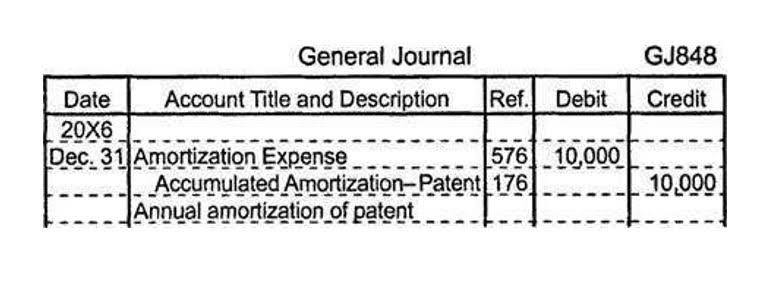
Prepaid rent also reduces your liquidity as the cash sits in the form of prepaid rent rather than being available freely. The corresponding credit of $10,000 ensures the accounting equation remains in balance, as one asset decreases and another asset increases by the exact same amount. The Cash account, which is an asset, must be reduced because the funds have left the business. If prepaid insurance is not adjusted, it will understate the insurance expense, as stated in Q4 of Example 2. This is because the prepaid insurance will be treated as an asset, rather than an expense, which will lead to an understatement of expenses. Prepaid insurance is recorded as a debit, specifically in the Prepaid Insurance A/c Dr ₹12,000; To Bank A/c ₹12,000, as seen in Example 1.
- By following this process, businesses can ensure that their financial statements accurately reflect the periods in which costs are incurred.
- If prepaid insurance is not adjusted, it would mean that the insurance expense is understated, as seen in Example 4, question 1.
- Understanding this distinction between the initial recording of a prepaid expense as an asset and its subsequent recognition as an expense is fundamental to accurate financial reporting.
- It provides companies with the opportunity to secure crucial locations and necessary spaces without the ongoing worry of monthly payments, allowing them to focus on what they do best.
- The initial classification of prepaid rent places it firmly within the asset category on the general ledger.
- Again, anything that you pay for before using is considered a prepaid expense.
Prepaid Expenses: Definition, Journal Entry, and Examples
- Debit – What came into the business The business had use of the premises for one month, and this is now an expense for the month of April.
- Incorrectly classifying or adjusting prepaid rent would distort both the Balance Sheet and the Income Statement simultaneously.
- It is essential to properly account for prepaid expenses to ensure accurate financial reporting.
- As per the golden rule of accounting for a nominal account, rent expenses are debited to the books of accounts.
- Rent might feel like just another bill to pay, but in the grand scheme of your business finances, it’s a significant piece of the puzzle.
- Since most rent agreements are monthly or yearly, prepaid rent fits snugly into this category.
In the world of accounting, the balance sheet is a crucial document that provides a snapshot of a company’s financial position at a specific point in time. It is like a financial report card that shows what the company owns (assets), what it owes (liabilities), and the difference between the two (equity). By the end of the year, your prepaid rent account will be down to zero, and you’ll have recognized all $1,200,000 as rent expense. It’s like watching your phone battery drain throughout the day, except hopefully less stressful.
Current Assets or Non-Current Assets

On the cash flow statement, prepaid rent shows up at the moment the payment is received, regardless of when it’s actually earned as revenue. We have discussed prepaid rent, the nature of economic transactions such as debit or credit, the balance sheet, income statement recording, and financial reporting. Prepaid rent is an important expense account to understand on the balance sheet.

Why prepaid, or what are prepaid expenses?
The company pays $24,000 in cash upfront for a 12-month insurance policy for the warehouse. The company pays monthly rental fees in advance while they are not yet using the rental services. These might include segregation of duties, where the person recording the transaction is different from the person authorizing the payment, and regular audits of the prepaid rent account. Finally, prepaid arrangements really strengthen the bond between tenants and landlords. When tenants pay upfront, it demonstrates their commitment and responsibility, building trust that benefits everyone.
Initial Recording of Prepaid Rent
This means they are receiving money for services that have not yet been performed for customers. The landlord has the obligation to provide rental services to tenants in the future while the money is already received. This type of advance payment has several advantages, such as providing tenants with the peace of mind of knowing their rental obligations are taken care of for extended periods. It also gives landlords more financial security and eliminates the need to collect rent from tenants regularly. Prepaid rent is a payment made by tenants that covers a period of rent in the future.

Understanding Assets on the Balance Sheet
- Rent can be prepaid or postpaid, depending on the terms of the rental agreement or lease.
- For example, let’s examine a lease agreement that includes a variable rent portion of a percentage of sales over an annual minimum.
- Prepaid rent is classified as a current asset because it represents an advance payment of rental expenses that will be incurred and used up within one year.
- For the landlord, receiving rent in advance can provide immediate liquidity and financial security.
- Therefore, no amount is available on which to base the rent calculation.
This means you recognize rent expense in the period you’re using the space, even if you haven’t paid the landlord yet. When you make a payment for a prepaid expense, you initially debit your prepaid expense account and a credit to the cash account (or accounts payable, if payment is made on credit). This entry recognizes the business’s payment for goods or services that have not yet been consumed. Prepaid expenses are important in accounting because they represent a prepaid asset that will be used in future periods. They also impact the accuracy of financial reporting, as they can affect the balance sheet and income statement.
In some jurisdictions, prepaid rent may be deductible in the year it is paid, while in others, it may only be deductible as it is expensed. Companies must consult with tax professionals to ensure compliance with local tax laws. Moreover, reducing collection efforts means more than just less paperwork. It gives property managers the gift of time and resources to pour into impressive tenant services and overall property management, rather than is prepaid rent credit or debit chasing after monthly payments. This newfound efficiency leads to better property upkeep and happier tenants. Imagine you have a property that rents for $1,000 a month, and your tenant pays $3,000 for three months upfront.

Journal Entry for Rent Paid in Advance
Collecting multiple months of rent upfront in a retained earnings balance sheet single month, such as December, may inflate annual income and potentially push the landlord into a higher tax bracket. Mismanagement can result in accounting errors, tax issues, and even legal disputes. Both methods ultimately recognize the expense; they just do so at different times.
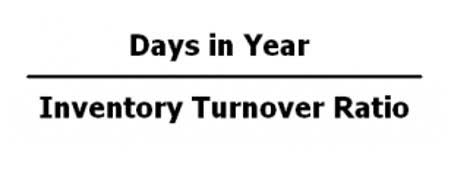
How do you handle free rent periods related to prepaid rent under ASC 842?
Generally, variable, or contingent rent, is expensed as incurred according to both legacy accounting and the new accounting standard. Therefore, no amount is available on which to base the rent calculation. Base rent, also known as fixed rent, is the portion of the rent payment explicitly stated in the contract. A leasing contract may include a payment schedule of the expected annual or monthly payments. Even if the contract includes escalation increments to the beginning or base payment amount, this type of rent is fixed. It is presented in the contract, along with planned increases, and will not https://castlemayohotels.com/ai-in-accounting-autonomous-agents-for-finance-2/ change over the contract term without an amendment.
Leave a Reply